
When air duct cleaning is worth it — and when it is not
This is the one service in the trade where the honest answer is often "you do not need this". Here is how to work out whether you are one of the people who does.
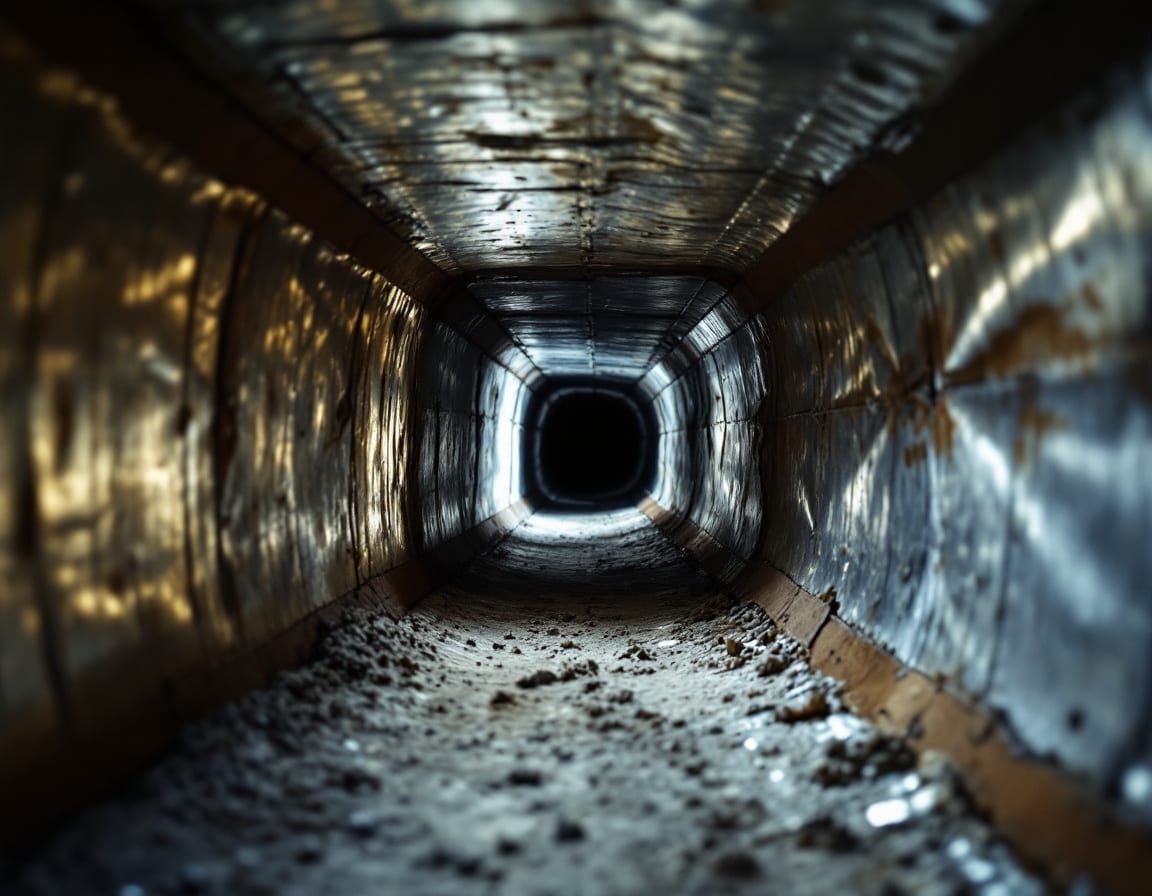
The short answer
Air duct cleaning is worth doing in four situations: after construction or renovation work has put drywall dust into the system, when there is visible microbial growth inside the ductwork or on the coil, when there is evidence of vermin or a nest, and when debris is heavy enough to restrict airflow at the registers. Outside those four, routine annual duct cleaning has never been shown to improve health outcomes in an ordinary home, and it will not fix a dust problem caused by a poor filter, uneven heating between floors, or a musty smell whose source is a damp basement. Knowing which of those you have is a five-minute look, not a quote.
The four times it genuinely helps
After construction is the most common legitimate reason. Renovation work puts drywall dust, sawdust and grit into a return and it settles all through the system, and no filter catches it after the fact. Visible microbial growth on the duct interior or on the coil is the second, and it needs the moisture source dealt with as well as the growth removed, or it returns. Vermin is the third: a nest in a duct is a health issue and it does not clear itself. The fourth is actual obstruction — enough debris that airflow at the registers has dropped, which you can usually feel with your hand before anybody measures it.
- After construction or renovation work
- Visible mold on the duct interior or on the coil
- Evidence of vermin or a nest
- Debris heavy enough to restrict airflow at the registers
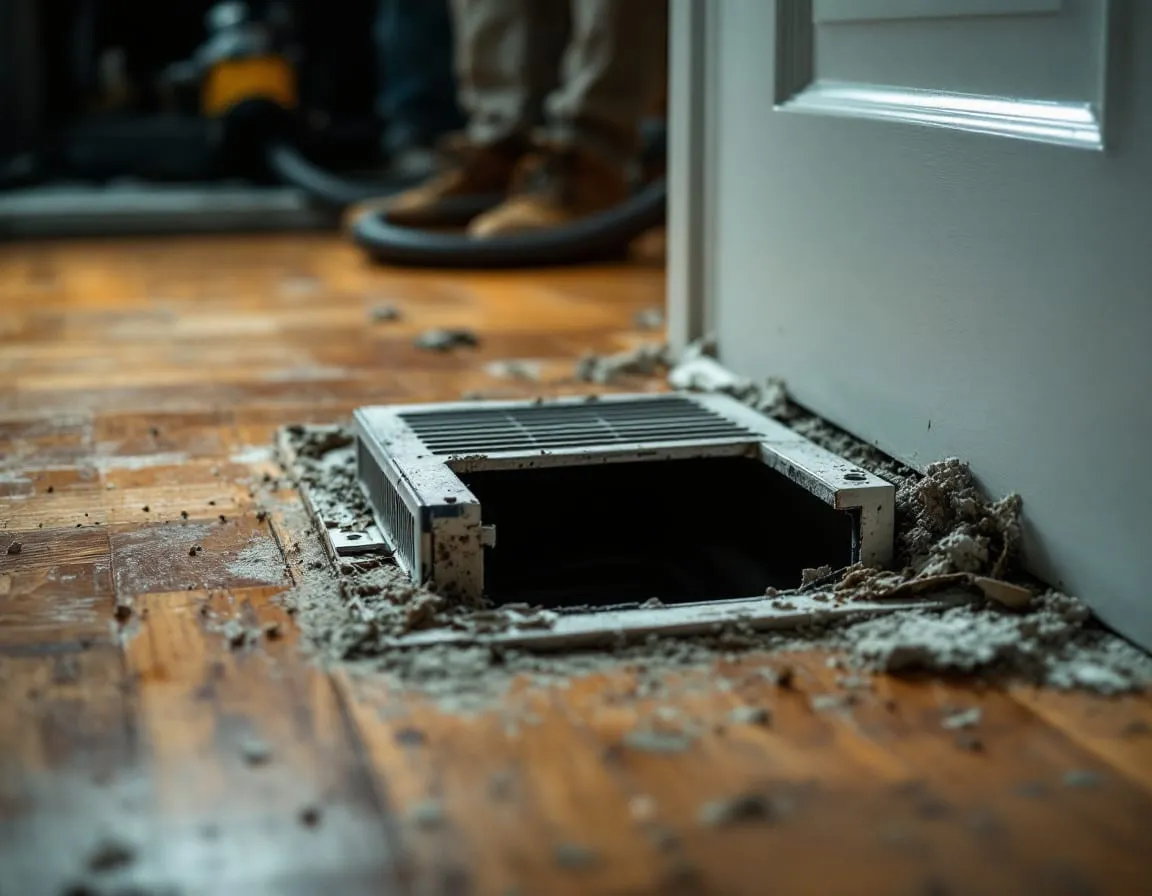
The things it will not fix
Duct cleaning will not solve a dust problem caused by a filter doing nothing, and a low-grade filter sitting loosely in an oversized slot is far more common than a dirty duct. It will not fix uneven heating between floors, which is nearly always a balancing or a sizing problem. It will not cure allergies — there is no good evidence that routine cleaning changes health outcomes in an ordinary home. And it will not solve a persistent musty smell if the source is humidity in a basement or crawl space: that smell disappears for a few weeks and then comes back, and the duct will have been cleaned for nothing.
The coil and the blower, which is usually the real restriction
When airflow at the registers is poor, the duct is rarely the whole story. The evaporator coil and the blower wheel collect a felt of fine dust that is far more restrictive, thickness for thickness, than anything sitting on a duct wall, and a system whose coil is loaded will not improve much from having its ducts brushed out. This is worth knowing before you book anything, because it is the single commonest reason somebody pays for duct cleaning and notices no difference afterwards. Both are worth looking at, and the coil is usually a job for your HVAC contractor rather than for a duct cleaner.
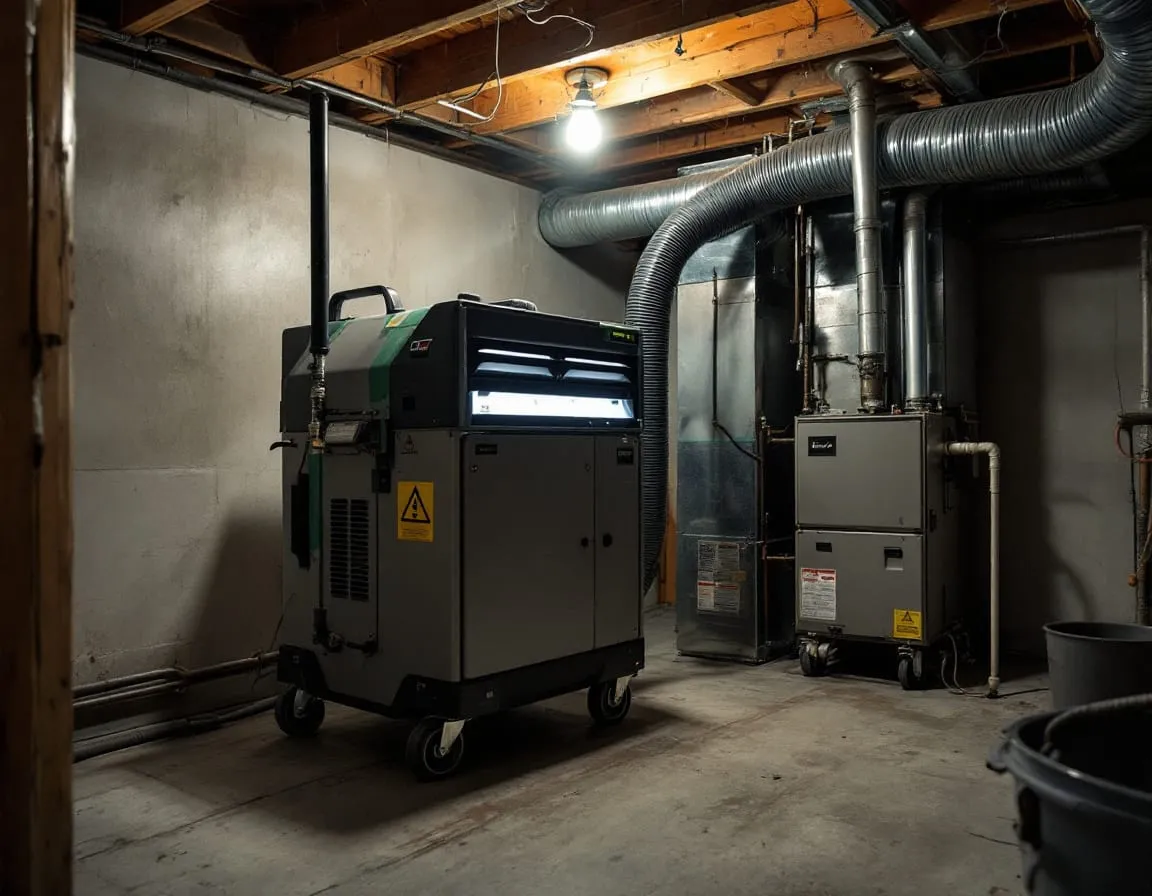
How it is done properly, and how it is faked
Done properly, the system is put under negative pressure at a collection point and the duct walls are agitated with brushes or air whips, so that what comes off travels to the collection unit rather than into the house. Every supply and return run is done, plus the plenum and the registers. Done badly, somebody runs a shop vacuum into the first foot of each register, photographs a clean grille, and leaves. The difference is invisible in the finished room, which is exactly why this service has the reputation it has. The question to ask anybody quoting is how they create negative pressure and where the debris ends up.
What to ask before you agree to anything
Ask to see inside the system before a price is discussed, because the decision should be yours and it should be based on what is actually in there. Ask what happens to the debris. Ask whether the coil and the blower have been looked at. And ask directly whether they think you need it — anybody unwilling to say "probably not" to that question in the situations above is selling rather than diagnosing.
- Ask to see inside the system before a price is mentioned
- Ask how negative pressure is created and where the debris ends up
- Ask whether the coil and the blower have been looked at
- Ask directly whether they think you need it
Related questions
How often should ducts be cleaned?
There is no useful interval, because the honest answer depends on events rather than time. Renovation work, a water leak, or moving into a house whose history you do not know are all better triggers than a date on a calendar.
Will it lower my heating bill?
Only if debris was genuinely restricting airflow. If the restriction is at the filter, the coil or the blower — which is more common — cleaning the ducts changes very little.
Should chemicals or sealants be used inside the ducts?
Not as a matter of routine. Where there is genuine microbial growth, the growth is removed and the moisture source has to be dealt with; coating over it is not a repair.
Want somebody to actually look at it?
Everything above is how this kind of work usually goes. What it is not is an assessment of your chimney, because nobody has seen your chimney.
The service this is about
Air duct cleaning
This is the one service in our list where the right answer is often "you do not need this". We would rather say it now than take the money.
Read moreAir duct repair and replacement
Some ducts are dirty. Some are broken. And some were never connected to the outside of the building at all, which is the one nobody sees coming.
Read more