

Friendly. Professional. Informative. Effective. Efficient.Cleared my flue effectively and without mess or drama.
This is the one service in our list where the right answer is often "you do not need this". We would rather say it now than take the money.
5.0from 59 Google reviews19 towns · open 7:00 AM–9:00 PM
The short answer
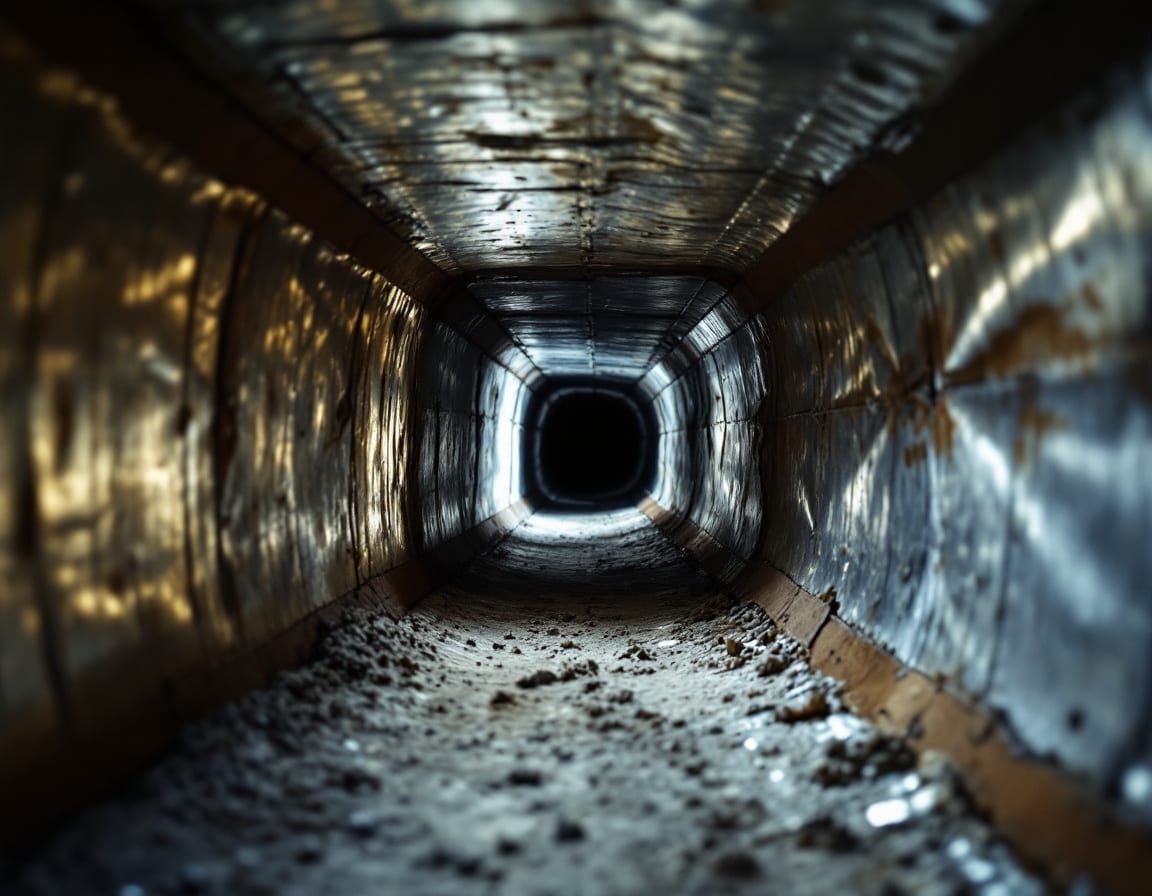
Air duct cleaning removes dust, debris and biological growth from the supply and return ducts of a forced-air heating and cooling system. It is worth doing in four situations: after construction or renovation work has put drywall dust into the system, when there is visible mold growth inside the ductwork or on the coil, when there is evidence of vermin or a nest, and when the ducts are visibly clogged enough to restrict airflow. Outside those four, the honest answer is that routine annual duct cleaning has never been shown to improve health outcomes in an ordinary home, and we would rather tell you that than sell it to you. We do this work across 19 New Jersey towns, and the first visit is a look, not a quote.
The first is after construction. Renovation work puts drywall dust, sawdust and grit into a return, and it settles all through the system — this is the most common legitimate reason we clean ducts in North Jersey, because so much of the housing stock here is being worked on. The second is visible microbial growth on the duct interior or on the coil, which needs the moisture source fixed as well as the growth removed. The third is vermin: a nest in a duct is a health issue and it does not clear itself. The fourth is actual obstruction — enough debris that airflow at the registers has dropped, which you can usually feel with your hand before anybody measures it.
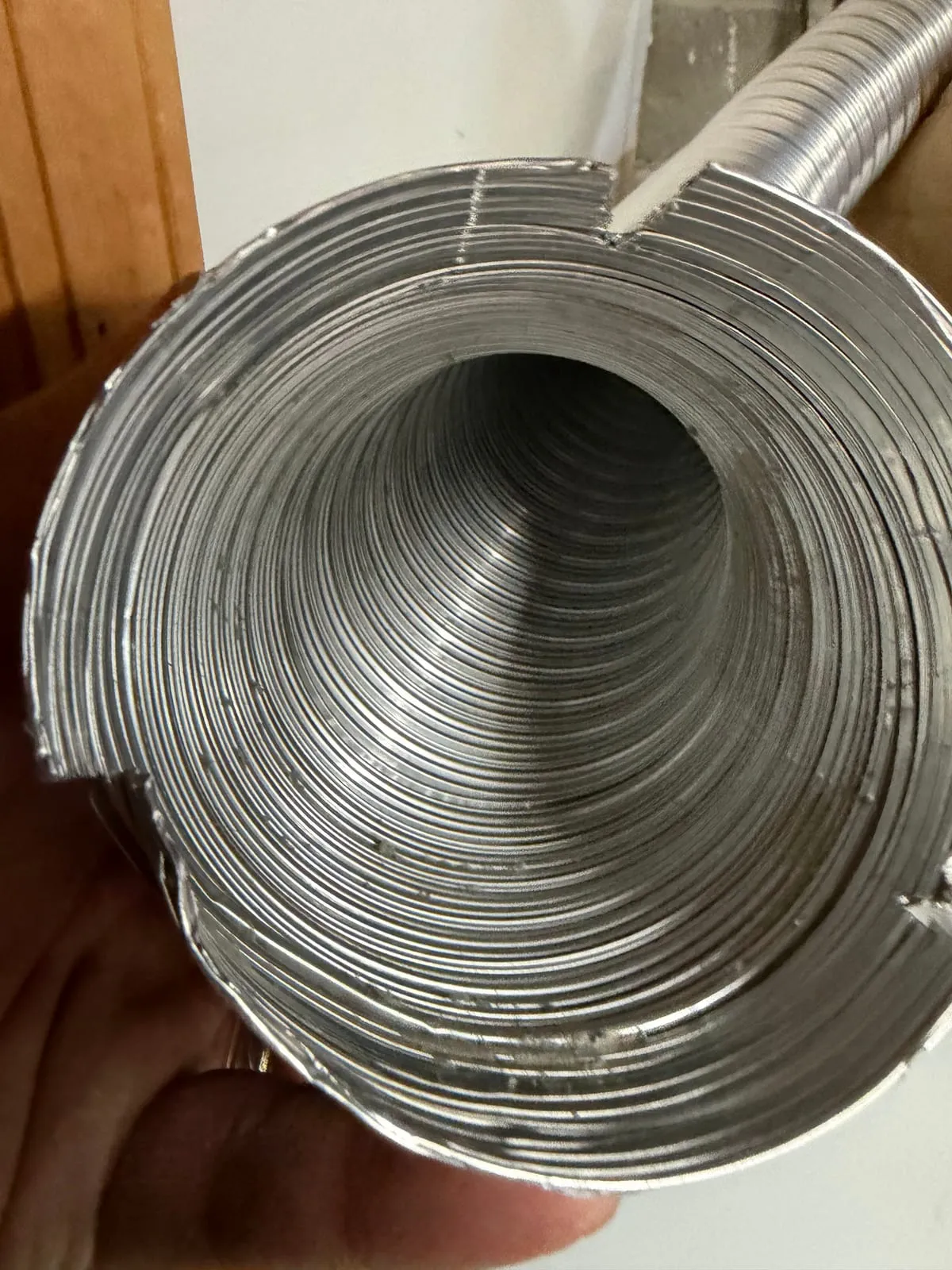
There are four situations where this genuinely helps. Outside them, the honest answer is that you do not need it.
Duct cleaning will not solve a dust problem that comes from a filter doing nothing, and a low-grade filter fitted loosely into an oversized slot is much more common than a dirty duct. It will not fix uneven heating between floors, which is nearly always a balancing or a sizing problem. It will not cure allergies. And it will not solve a persistent musty smell if the source is a humidity problem in a basement or crawl space — that smell will come back, and the duct will have been cleaned for nothing. Where the real cause is one of those, we will say so, because the alternative is you paying us and the problem staying exactly where it was.
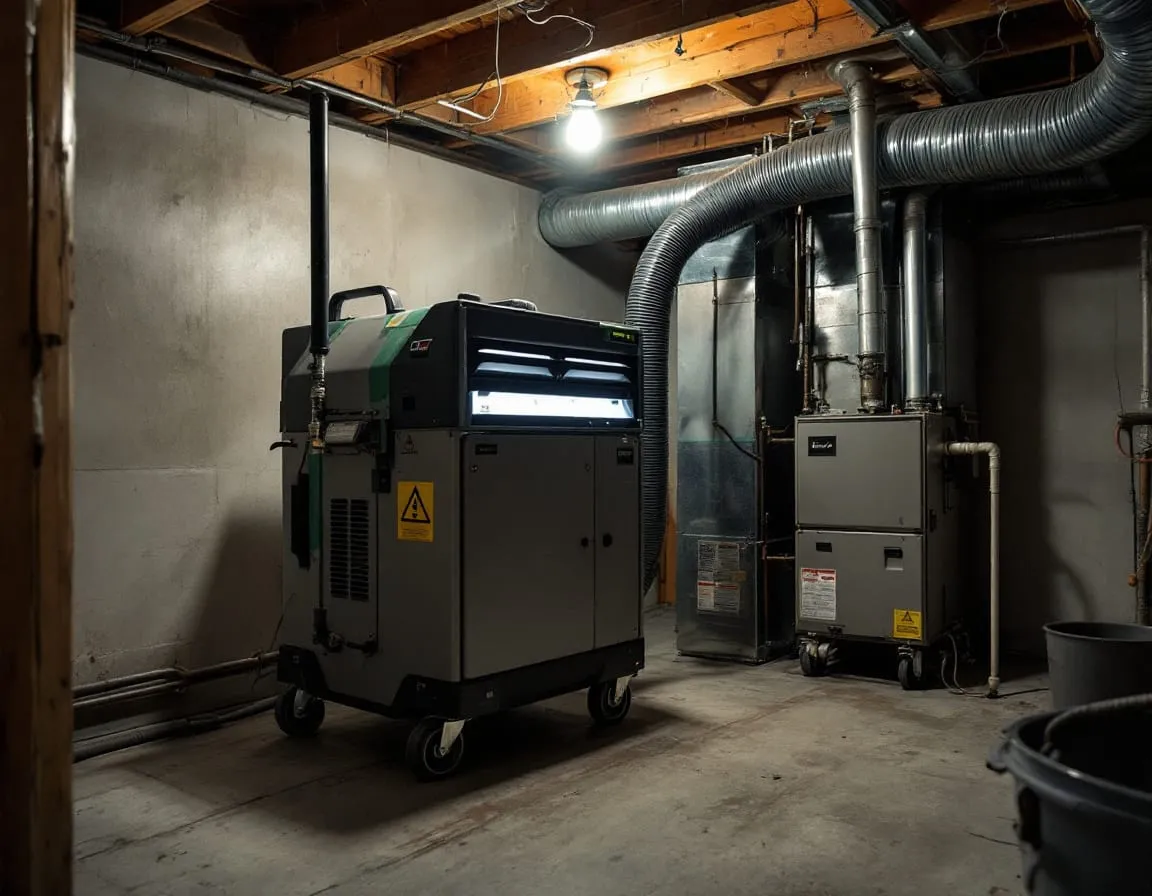
Done properly, the system is put under negative pressure at a collection point, and the duct walls are agitated with brushes or air whips so that what comes off travels to the collection unit rather than into the house. Every supply and return run is done, plus the plenum and the registers. Done badly, somebody runs a shop vacuum into the first foot of each register, takes a photograph of a clean register, and leaves. The difference is invisible in the finished room, which is exactly why this service has the reputation it has. Ask anybody quoting for it how they create negative pressure and where the debris ends up.
When airflow at the registers is poor, the duct is rarely the whole story. The evaporator coil and the blower wheel collect a felt of fine dust that is far more restrictive, thickness for thickness, than anything on a duct wall, and a system whose coil is loaded will not improve much from having the ducts brushed out. We look at both, and if that is where your problem is we will tell you — even though it is a job for your HVAC contractor rather than for us.
From their own jobs
Flexible duct in the hand — the material most systems fail at first
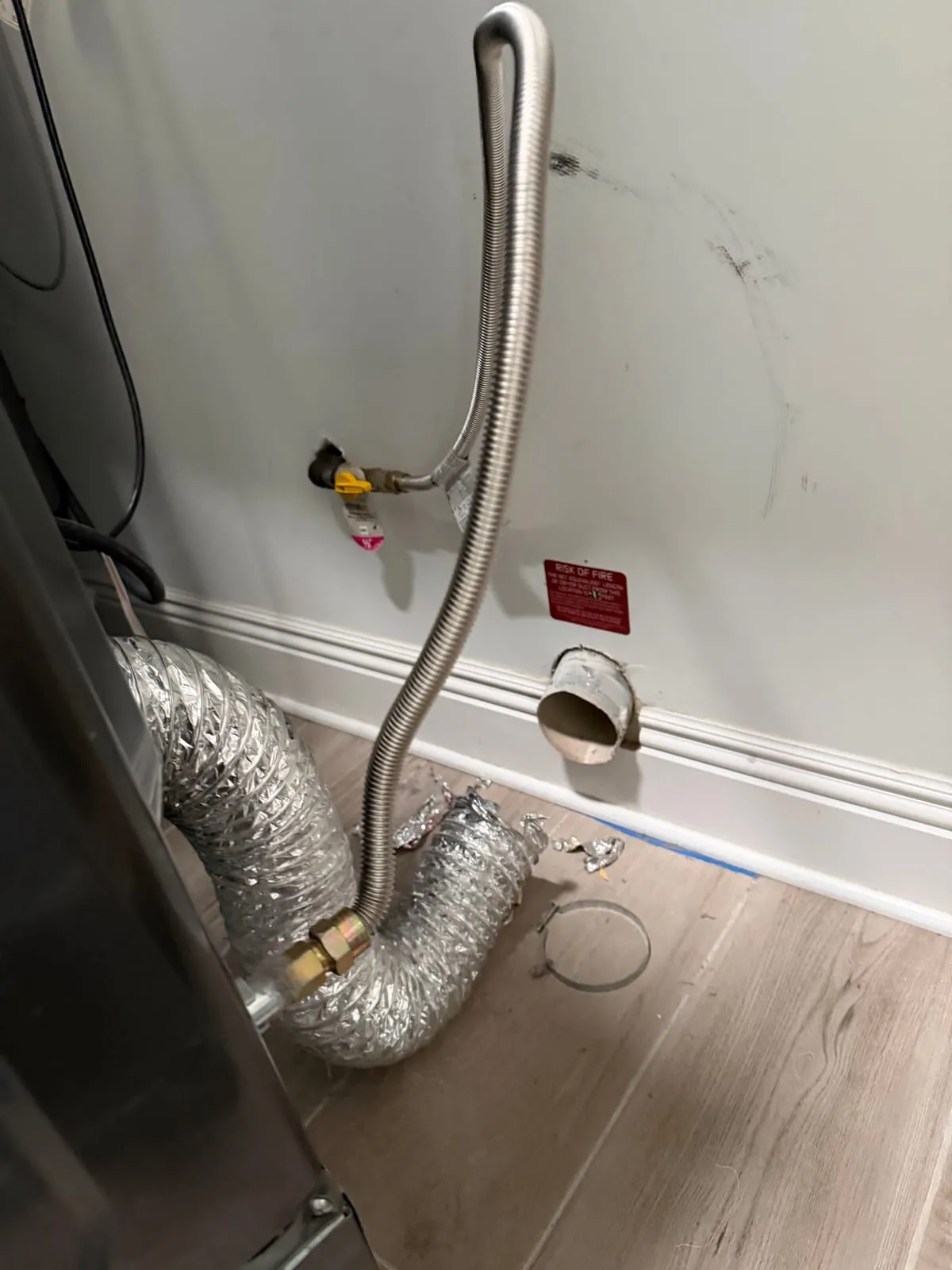
A run behind an appliance, where sagging turns a duct into a trap
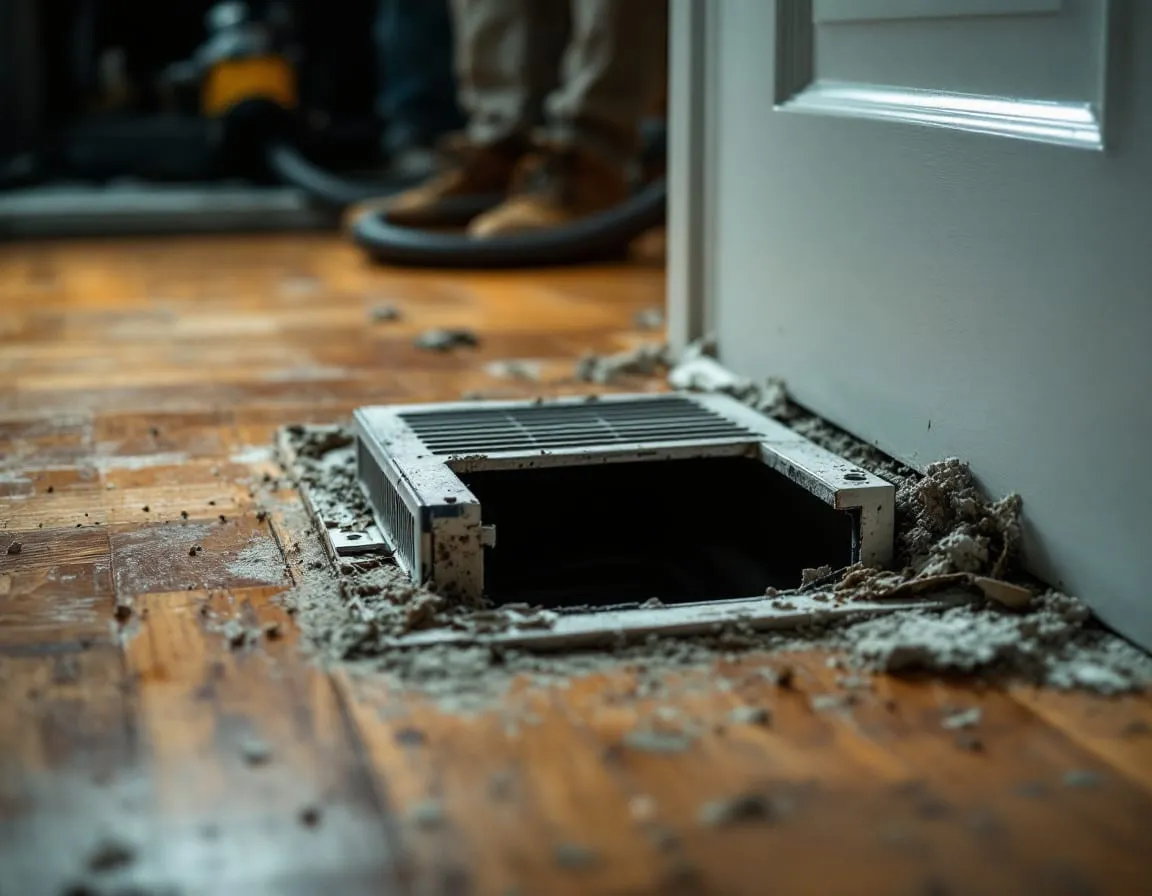
A floor register lifted out, and the boot underneath it
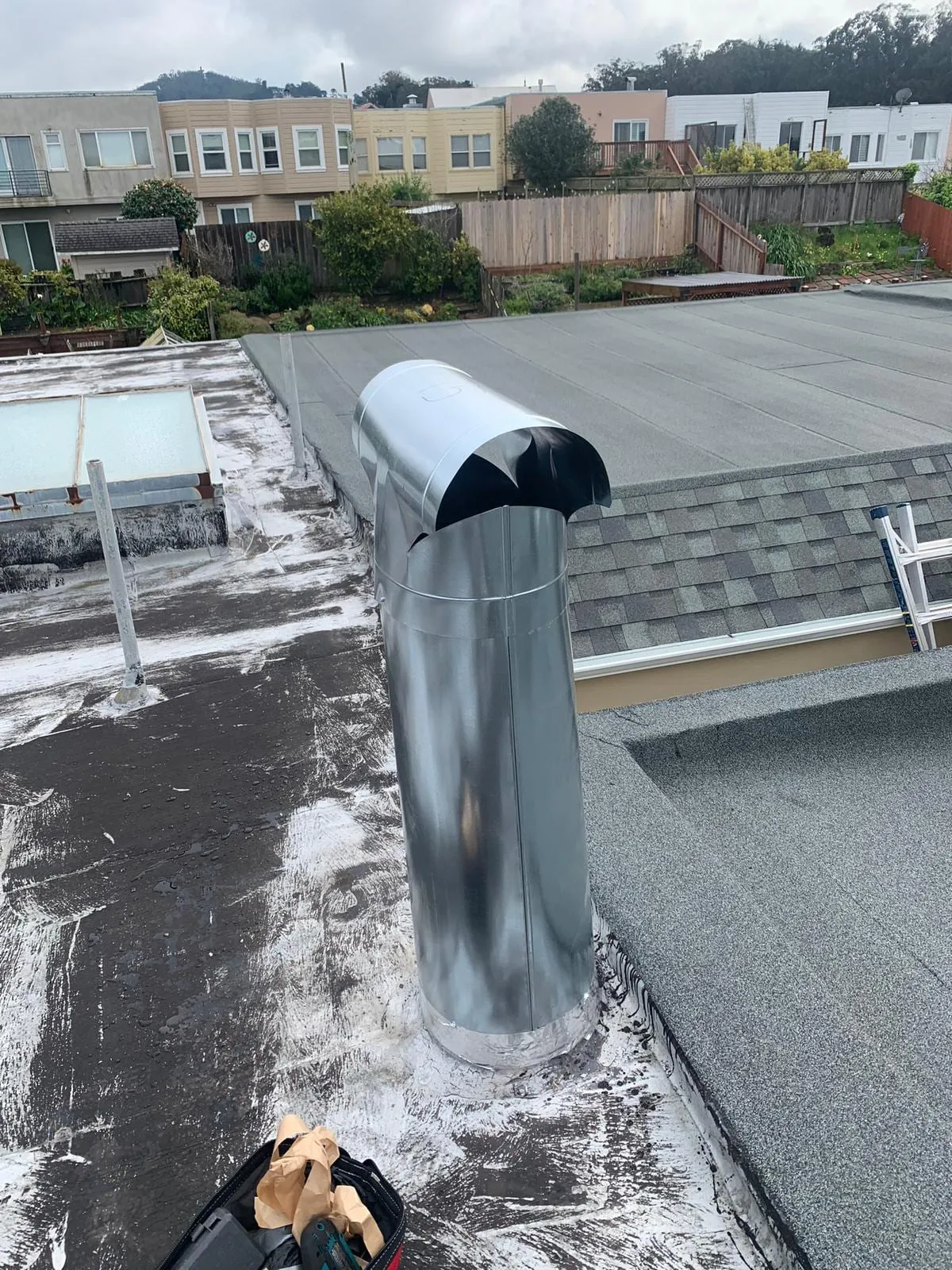
A metal terminal on an exposed urban roof
5.0
59 reviews on Google
Read on
Google publishes 59; we counted the 60 the listing returned.
Friendly. Professional. Informative. Effective. Efficient.Cleared my flue effectively and without mess or drama.

There was a lot of shaking in the chimney at night because the cap had come loose. They took it out and replaced it with a safe locking model, fixed the broken tile below, cleaned up the mess, and checked the…

The formation of water stains around the fireplace was prevented by repairing the flashing. The sealing seems to be well-done and secure. At last, weatherproofing feels solid. Thorough focus on detail.
There is no good evidence that routine duct cleaning improves health outcomes in an ordinary home, and we will not tell you otherwise. Where it does help is when there is a specific contaminant in the system — after construction, or with visible growth or vermin.
There is no useful interval, because the honest answer depends on events rather than time. Renovation work, a water leak, or moving into a house whose history you do not know are all better triggers than a date.
Only if debris was genuinely restricting airflow. If the restriction is at the filter, the coil or the blower — which is more common — cleaning the ducts changes very little, and we would rather point you at the real cause.
Usually humidity rather than the ducts. If the source is a damp basement or crawl space, cleaning the ducts removes the smell for a few weeks and then it returns. Fix the moisture first.
No sealants and no fogging as a matter of routine. Where there is genuine microbial growth, the growth is removed and the moisture source has to be dealt with; coating over it is not a repair.
You empty the lint trap every load. The trap is not the problem. The problem is the twenty-five feet of duct behind it, which is not built to be opened by the person using the machine.
Read moreSome ducts are dirty. Some are broken. And some were never connected to the outside of the building at all, which is the one nobody sees coming.
Read more