

Friendly. Professional. Informative. Effective. Efficient.Cleared my flue effectively and without mess or drama.
A chimney can be spotless and the fireplace still refuse to work. When that happens, the problem is almost always at the bottom.
5.0from 59 Google reviews19 towns · open 7:00 AM–9:00 PM
The short answer
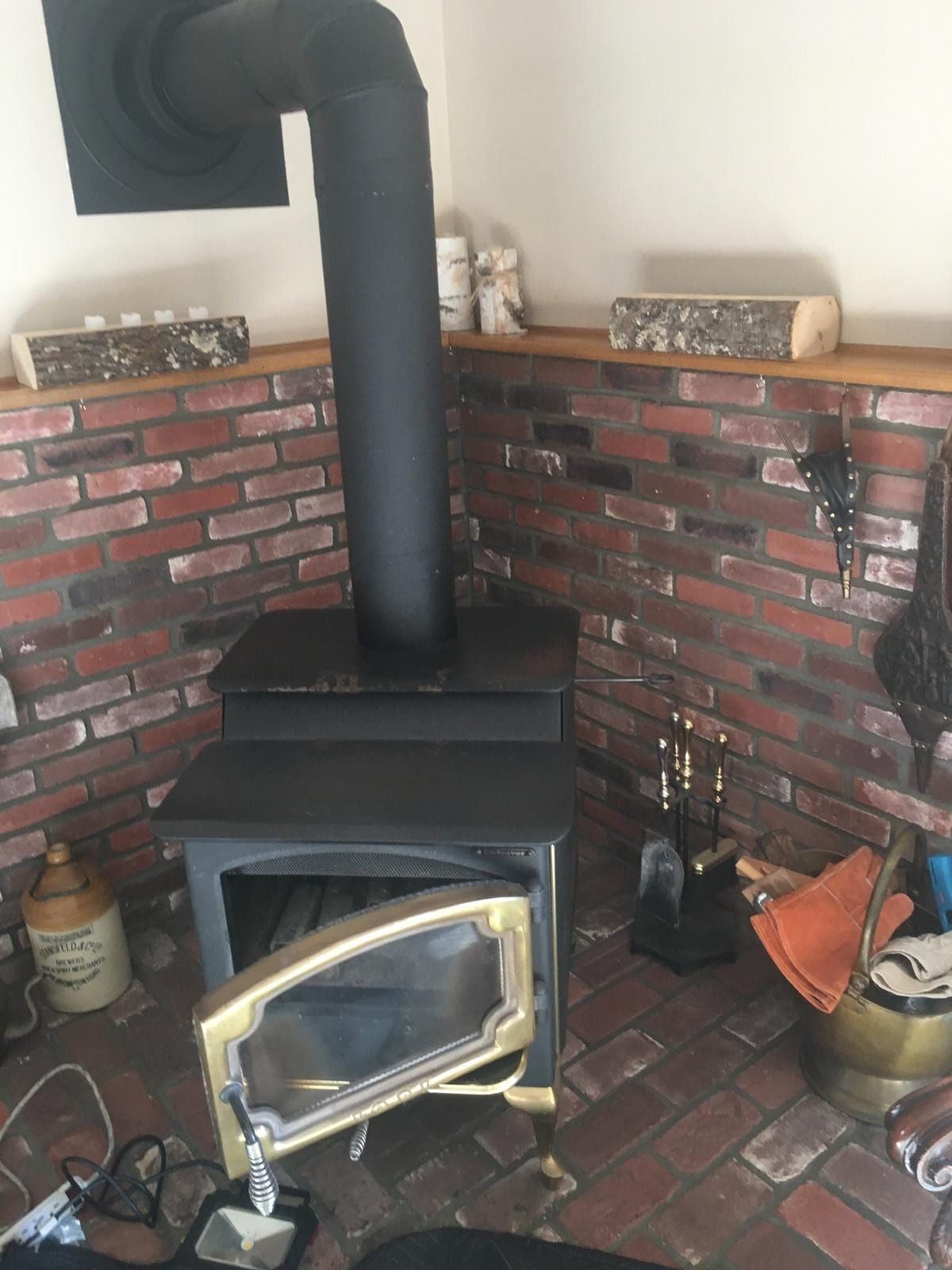
Fireplace and stove service is the work that happens at the appliance end rather than up the flue: a gas pilot that will not stay lit, a thermocouple that has failed, a damper that has seized or lost its handle, a firebox that smokes into the room because of downdraft, a smoke chamber that was never parged, or an animal that has moved into a flue over the summer. It is separate from sweeping and from repair because it is a different diagnosis — the chimney can be in perfect condition and the fireplace still not work. We do this work on both gas and wood appliances across 19 New Jersey towns, and it is the service that most often turns a fireplace nobody uses back into one that gets lit.
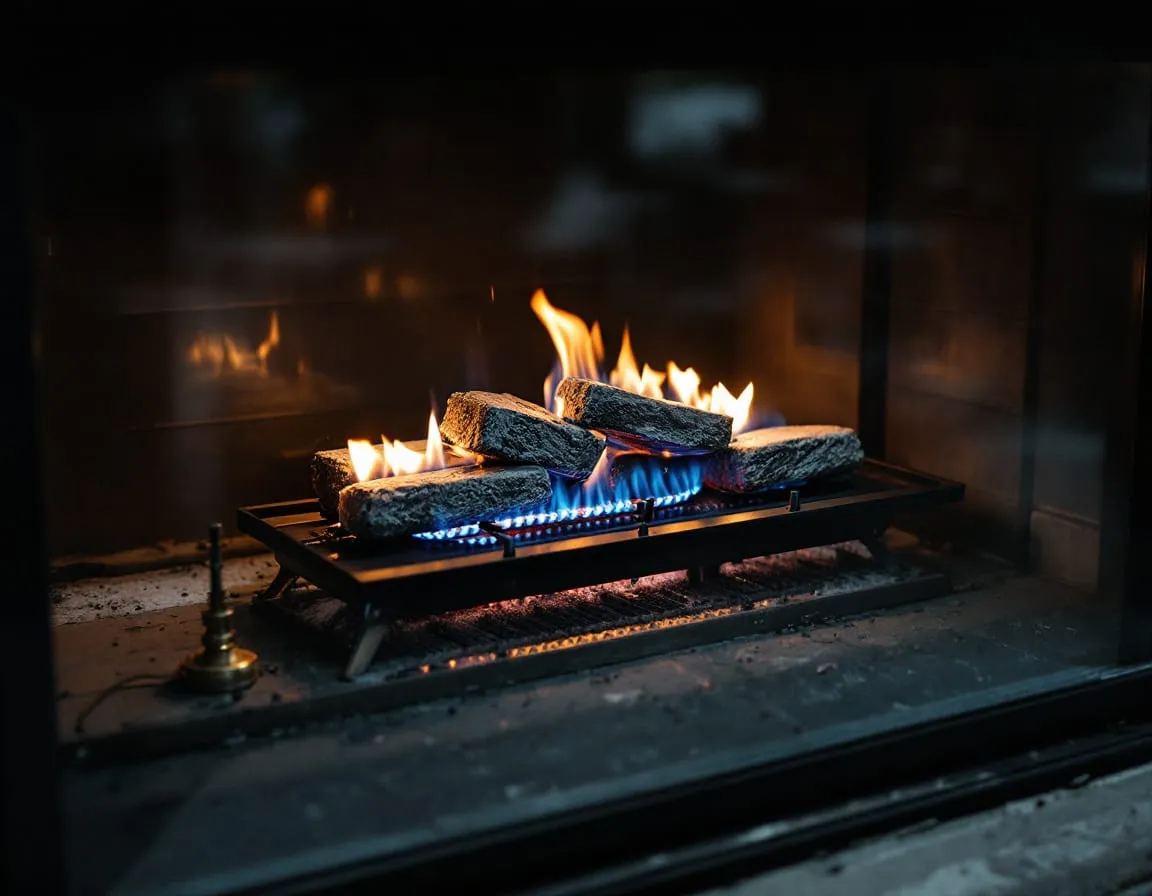
A standing-pilot gas fireplace keeps a small flame burning against a thermocouple, and that thermocouple generates the tiny current that holds the gas valve open. When the pilot will not stay lit after you release the knob, the usual culprits are a dirty pilot assembly, a thermocouple that has aged out, or gas flow that has drifted out of range. Cleaning the assembly, replacing the thermocouple and resetting the flow is routine work, and the venting gets checked afterwards because a gas appliance that lights beautifully and vents badly is the more dangerous of the two failures. Our customers describe this job in their own reviews more often than any other.
Most of what gets called a chimney problem turns out to be an appliance problem, and the two get fixed by different people.
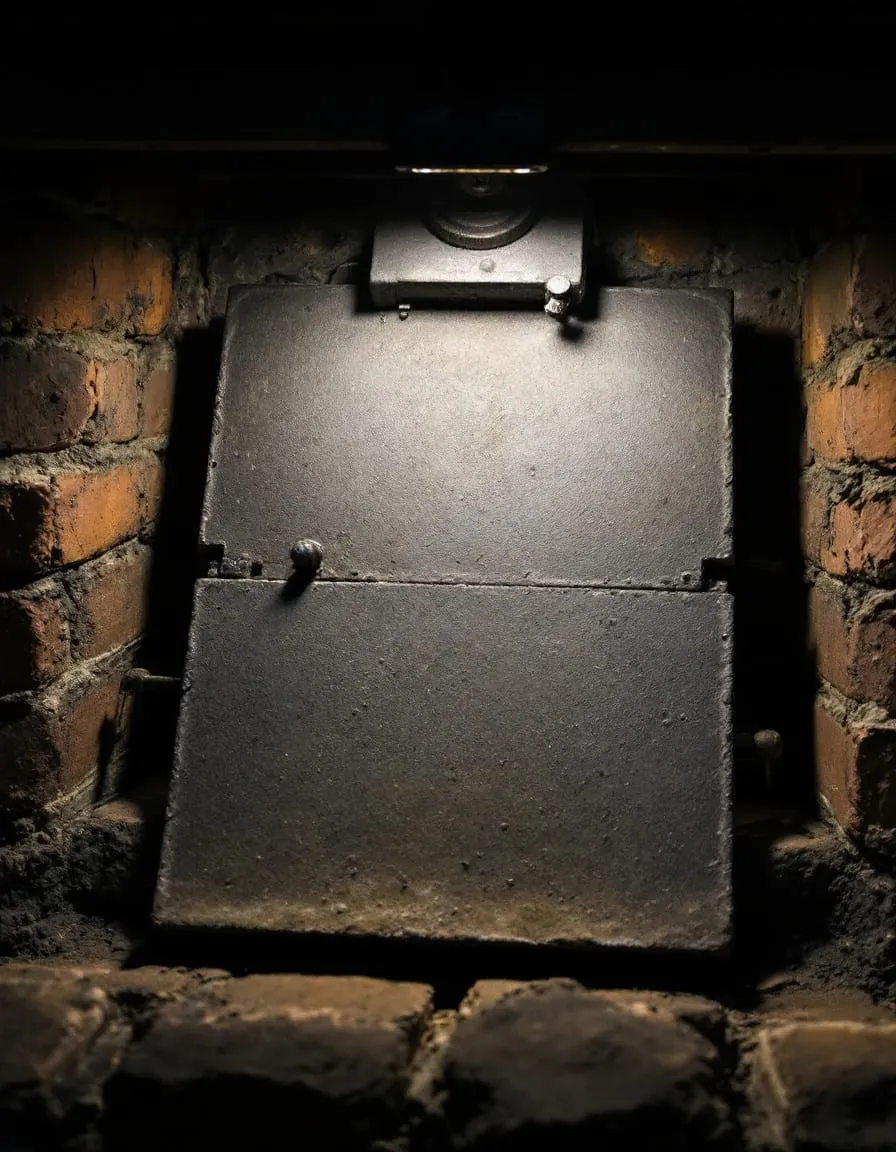
A damper that will not move is not a small problem. Closed, the fireplace is unusable. Open, the house loses heat all winter through a hole in the roof. On older North Jersey fireplaces the plate is often rusted into its frame, or the handle has broken off and been lost by a previous owner, and the fix is freeing the plate, reseating it and fabricating a rod or handle that reaches. We have made extended damper rods for hearths deep enough that the original control could not be reached without kneeling in the firebox — that is a bespoke piece, and it costs less than replacing a working damper.
When a fireplace smokes into the room and the flue is clean, the cause is draw rather than blockage. The usual reasons are a smoke chamber that was never parged and is still rough corbelled brick, a flue that is oversized for the opening, a chimney that finishes too low relative to a nearby roof ridge or a neighbouring building, or negative pressure inside a house that has been tightened up with new windows. Each one has a different answer — parging the chamber, a smoke guard, extending the stack, a top-mounted damper, or simply cracking a window on the windward side. Which one it is is a diagnosis, not a guess, and it is the reason we look before quoting.
An uncapped flue is a chimney-shaped cavity that stays dry and warm, and birds, squirrels and raccoons all know it. The signs are noise, a smell that gets worse in humid weather, and debris in the firebox. Removing the nest is the first half of the job; the second half is capping the flue, because an uncapped chimney that has housed one nest will house another the following spring. This is also the reason we would rather you called about a smell in July than waited until October, when everybody calls at once.
From their own jobs
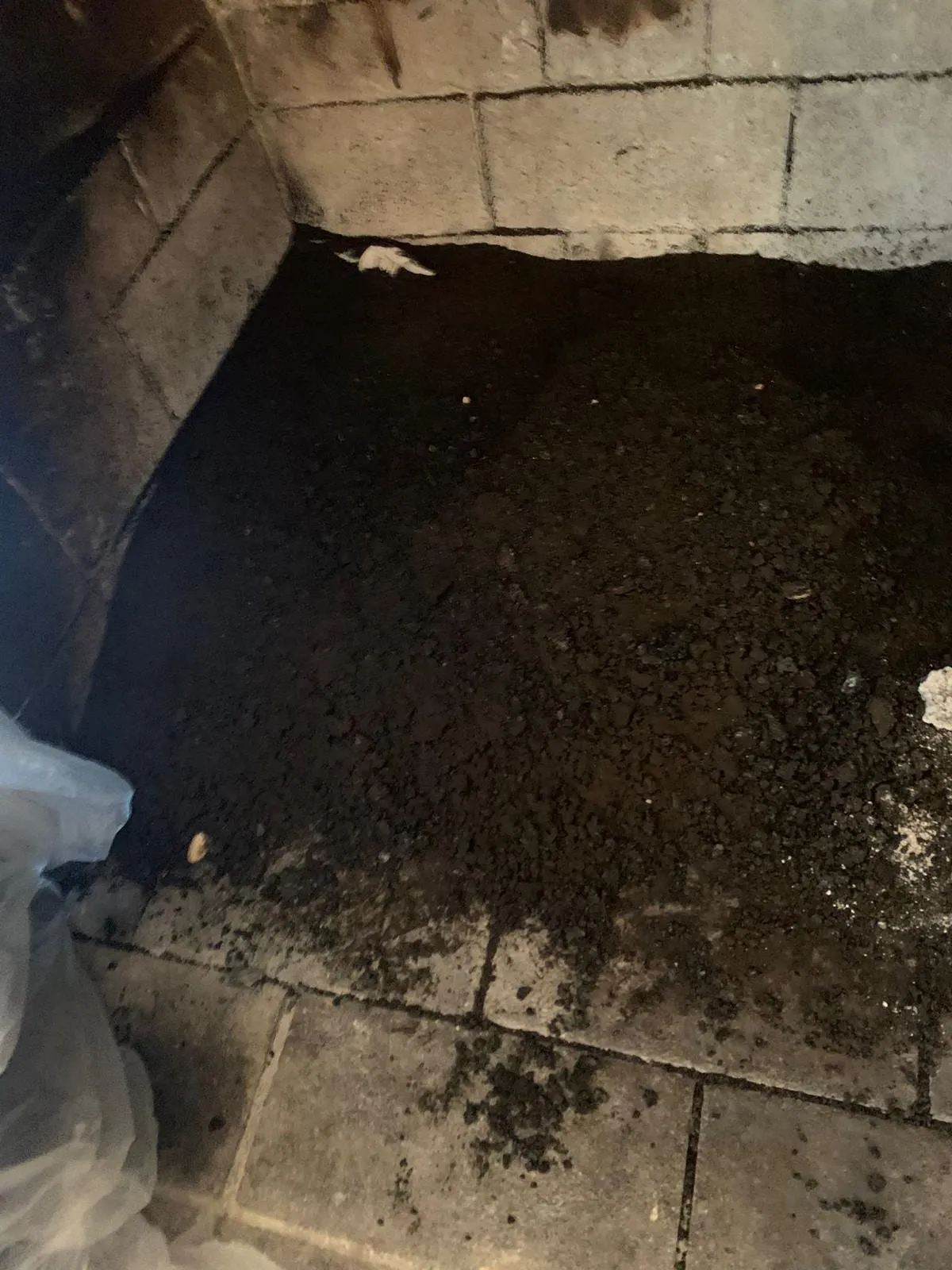
A firebox before service, with deposit across the floor and back wall
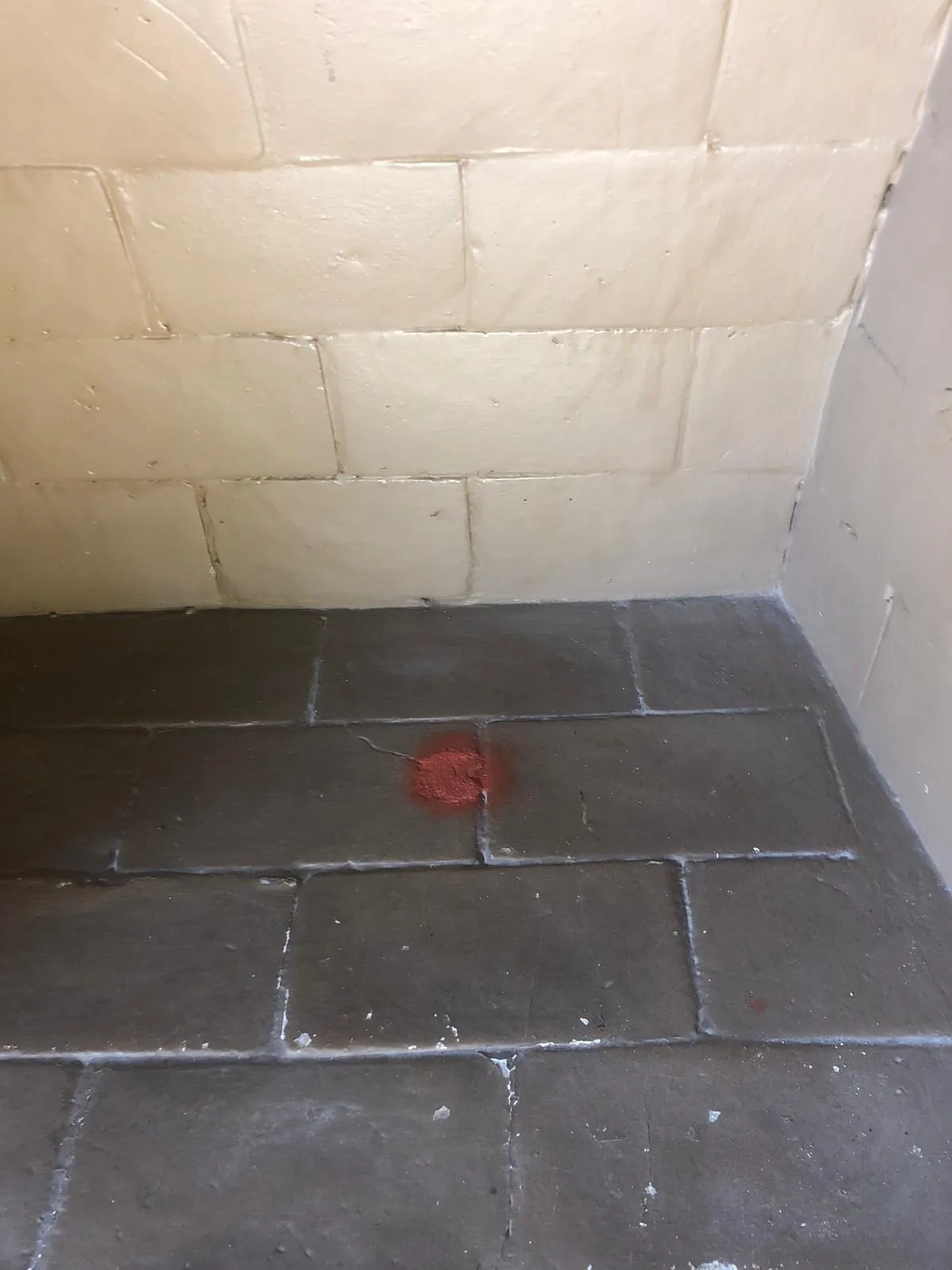
The same kind of firebox handed back, block and tile bare again
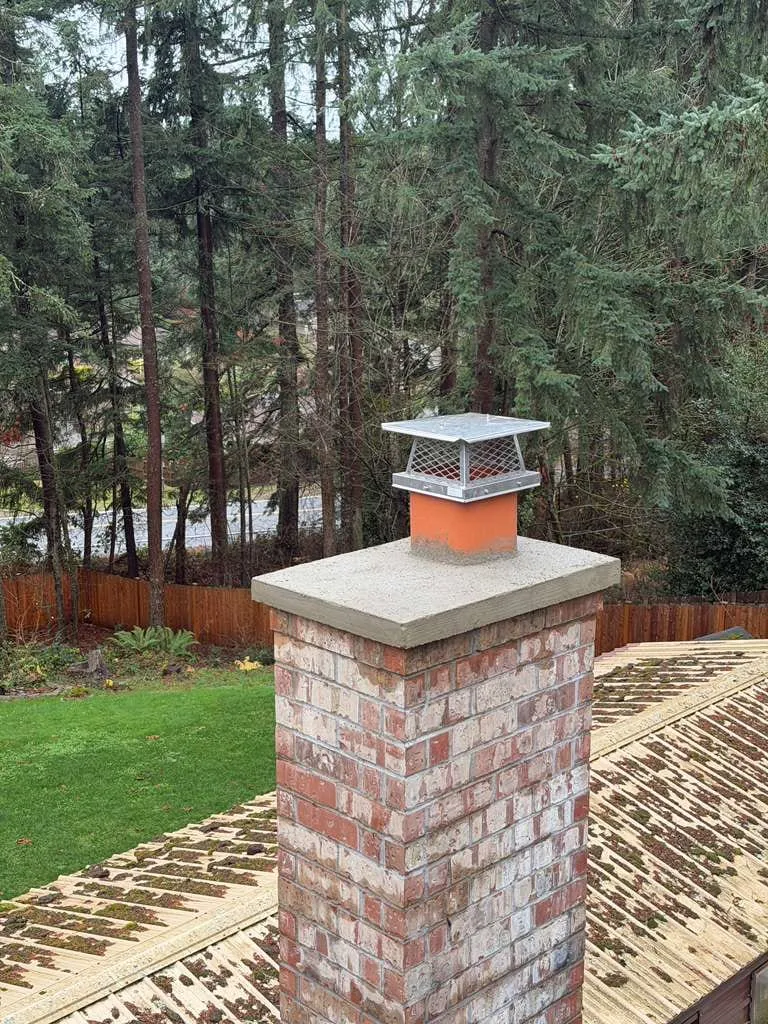
The stack above the appliance, checked on the same visit
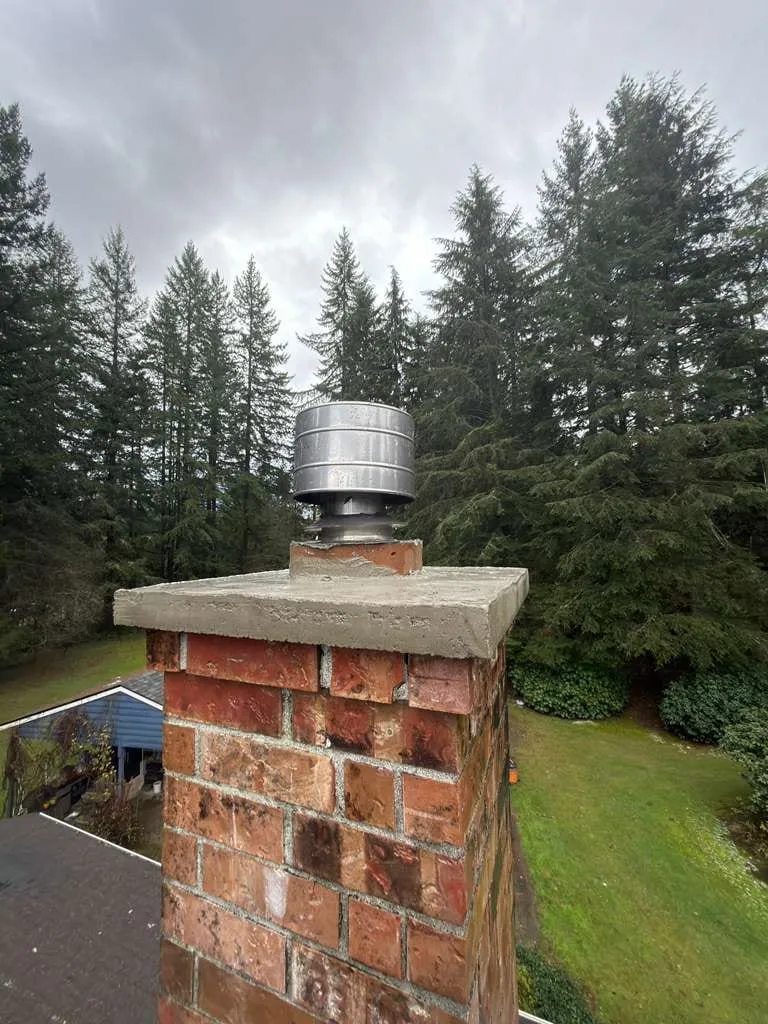
A capped flue, which is how an animal problem stops recurring
5.0
59 reviews on Google
Read on
Google publishes 59; we counted the 60 the listing returned.
Friendly. Professional. Informative. Effective. Efficient.Cleared my flue effectively and without mess or drama.

There was a lot of shaking in the chimney at night because the cap had come loose. They took it out and replaced it with a safe locking model, fixed the broken tile below, cleaned up the mess, and checked the…

The formation of water stains around the fireplace was prevented by repairing the flashing. The sealing seems to be well-done and secure. At last, weatherproofing feels solid. Thorough focus on detail.
Usually not. It is most often a dirty pilot assembly or a thermocouple at the end of its life, and both are routine. The venting gets checked afterwards as a matter of course, because an appliance that lights well and vents badly is the more serious of the two problems.
Most of the time, yes. A seized plate can usually be freed and reseated, and a missing handle or a rod that does not reach can be made rather than ordered. Replacement is the answer when the frame itself has gone.
Because the problem is draw, not blockage. An unparged smoke chamber, an oversized flue, a stack that finishes too low, or a house that has been sealed up with new windows will all do it, and each one has a different fix. That is why it starts with a look rather than a quote.
Call before the first fire. We remove the nest and the material, check what it has done to the flue, and cap it — because an uncapped chimney that has housed one nest will house another next spring.
Yes, both, and on the connector pipe between a stove and the flue, which is the part that corrodes first and is easy to overlook.
Creosote does not announce itself. It builds in the dark, a little every fire, and the first sign most people get is smoke coming back into the room on the coldest night of the year.
Read moreMost people book an inspection because a house is being sold, or because something has already gone wrong. Both are good reasons. So is the first cold week of the year.
Read moreThe stain on the ceiling is never where the leak is. Water travels, and a chimney gives it four separate ways in.
Read more