
Friendly. Professional. Informative. Effective. Efficient.Cleared my flue effectively and without mess or drama.
Chimney work in Newark starts with two practical questions before it starts with a brush: how we get to the roof, and which flue in the stack belongs to your appliance. On attached and semi-attached housing the safe route up is a hatch rather than a ladder, and one stack usually serves more than one dwelling.
5.0from 59 Google reviews
The short answer
We sweep, scan, repair and clear dryer runs across the whole city, and both questions get settled before the appointment rather than during it.
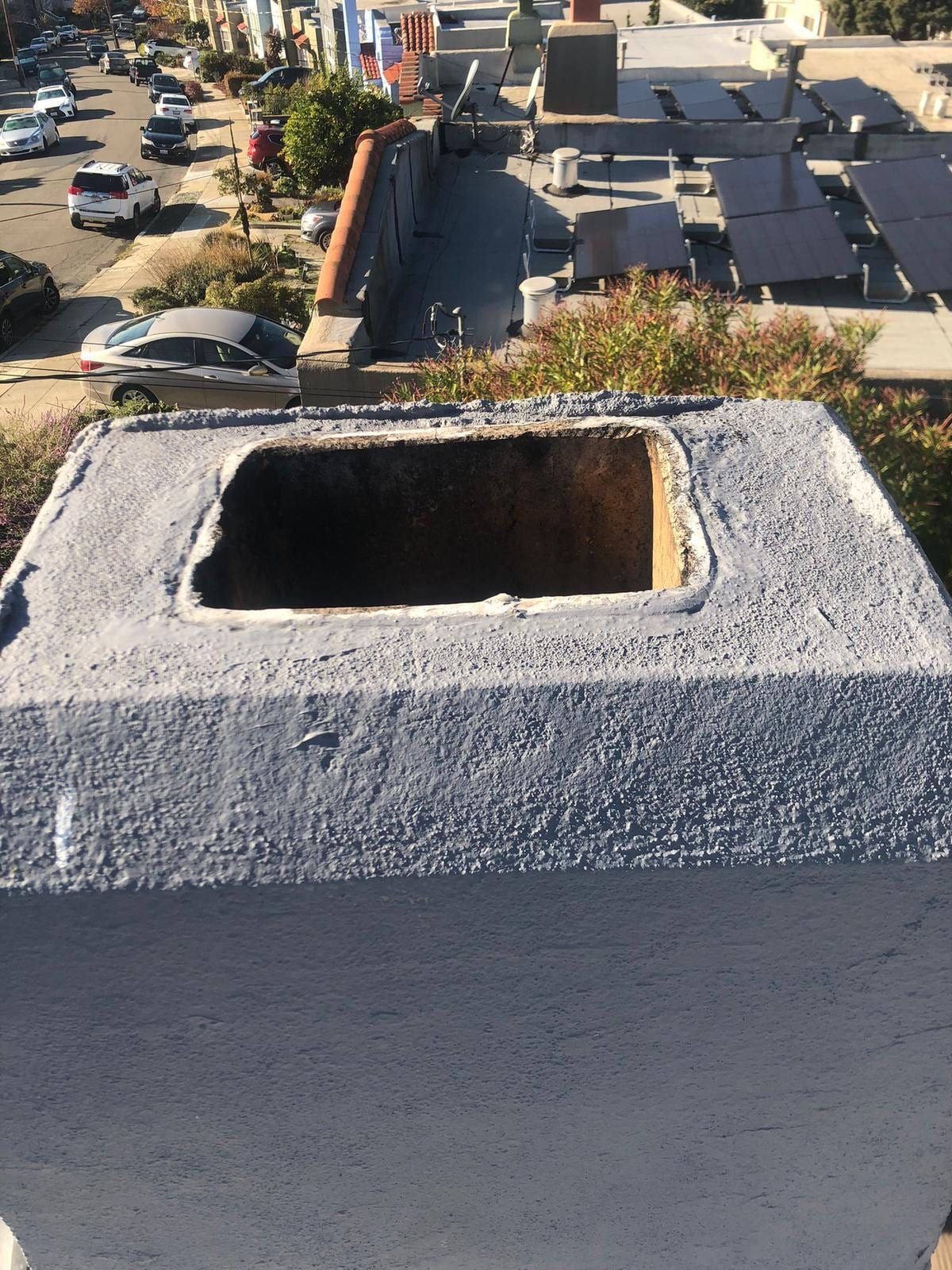
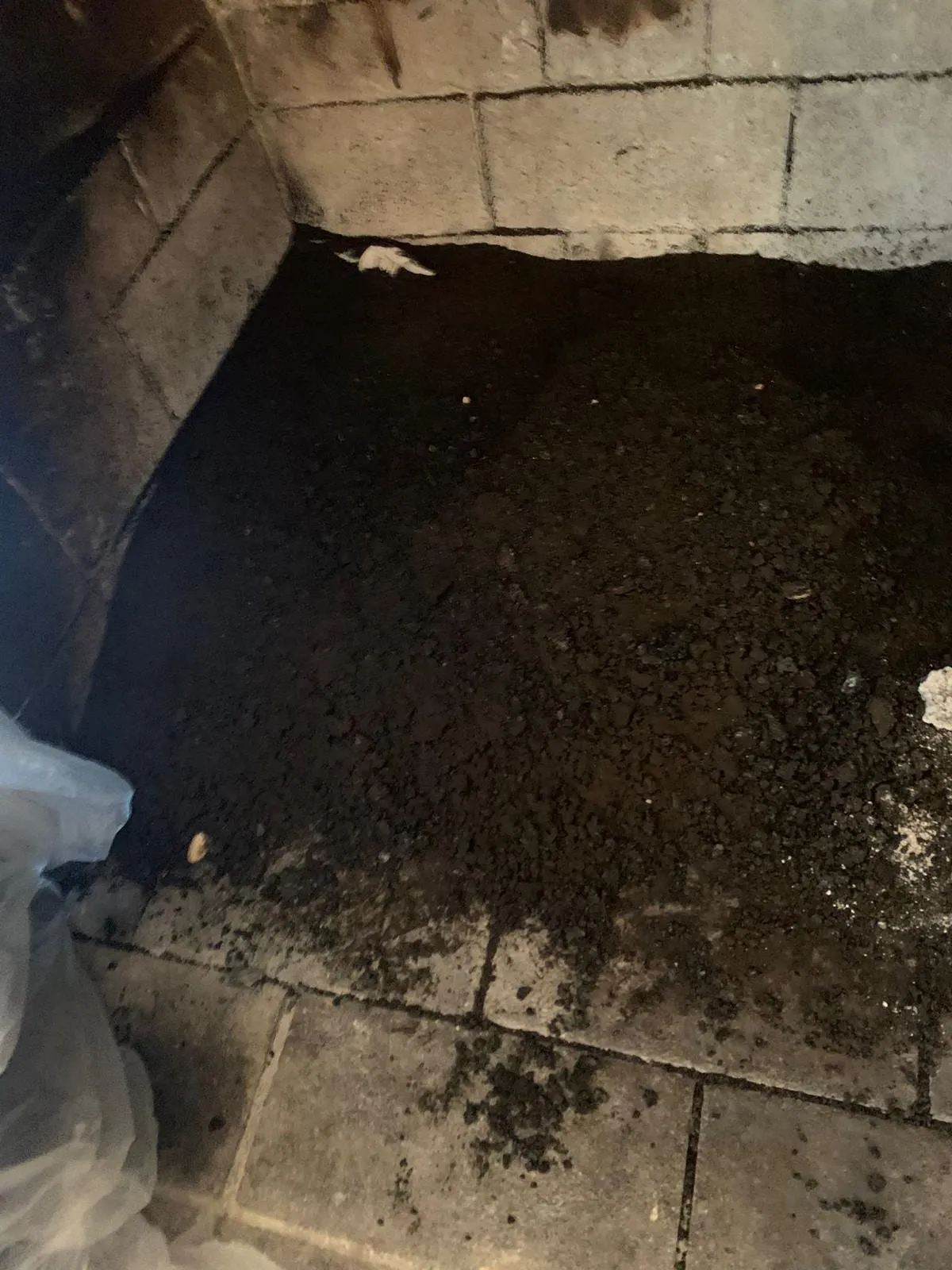
The dominant finding is a flue several sizes too large for what vents into it now. These stacks were built for coal, converted to oil, then converted again to gas, and hardly any were resized on the way — so the gases cool and condense before they reach the top, and there are deposits from three fuels still sitting in the smoke chamber. The second recurring finding is a smoke chamber that was never parged: rough corbelled brick that holds creosote like a sponge and takes real time to clear. On the larger single-family stacks the job shifts to crowns and flashing, which is a water problem rather than a soot one.
5.0
59 reviews on Google
Read on
Google publishes 59; we counted the 60 the listing returned.
Friendly. Professional. Informative. Effective. Efficient.Cleared my flue effectively and without mess or drama.

There was a lot of shaking in the chimney at night because the cap had come loose. They took it out and replaced it with a safe locking model, fixed the broken tile below, cleaned up the mess, and checked the…

The formation of water stains around the fireplace was prevented by repairing the flashing. The sealing seems to be well-done and secure. At last, weatherproofing feels solid. Thorough focus on detail.
In this housing it very often is. A flue built for coal and later used for oil is far larger than a modern gas appliance needs, and the condensate that results is acidic and works on the chimney from the inside.
Usually through the roof hatch. Let us know when you call whether there is one and whether it is accessible, because that decides how the whole visit is planned.
Yes, and across the whole city. The density and the attached housing make access the main planning question rather than the work itself.
A Level 2, with a camera scan of each flue. On a building with a century of appliance changes behind it, a Level 1 tells you considerably less than you need to know before you sign.
The same listing the 59 reviews are on. It is the fastest way to check we are real before you call.